English
 हिंदी
 ไทย

When shoppers pick up a bottle of textile dyeing agent, one question outshines every other: “Will the color stay vibrant after wash after wash?” The short answer is yes—provided the chemistry, fabric, and after-care are all aligned. This article unpacks what determines long-term brilliance, what to look for on the label, and how to treat the dyed garment so that yesterday’s electric blue is still electric months later.
What “vibrant” really means
Color scientists speak of chroma and saturation, but in everyday life vibrancy is simply the eye-catching pop that makes someone ask, “Where did you buy that?” Fading starts when dye molecules detach from fibers and either redeposit elsewhere or go down the drain. A good dyeing agent therefore has two jobs: lock molecules in place and resist the forces—light, heat, friction, detergent—that try to pull them out.
Inside the bottle: the chemistry of staying power
Modern consumer-grade dyeing agents fall into three main families: fiber-reactive, acid, and disperse. Each is engineered for specific fiber types.
• Fiber-reactive dyes form covalent bonds with cellulose (cotton, linen, rayon). Once the reaction is complete, the dye becomes part of the polymer chain; wash fastness ratings routinely exceed 4 on a 5-point ISO scale.
• Acid dyes carry a negative charge that binds to positively charged sites on protein fibers such as silk and wool. They require mild acid and heat to set, but are equally durable when properly fixed.
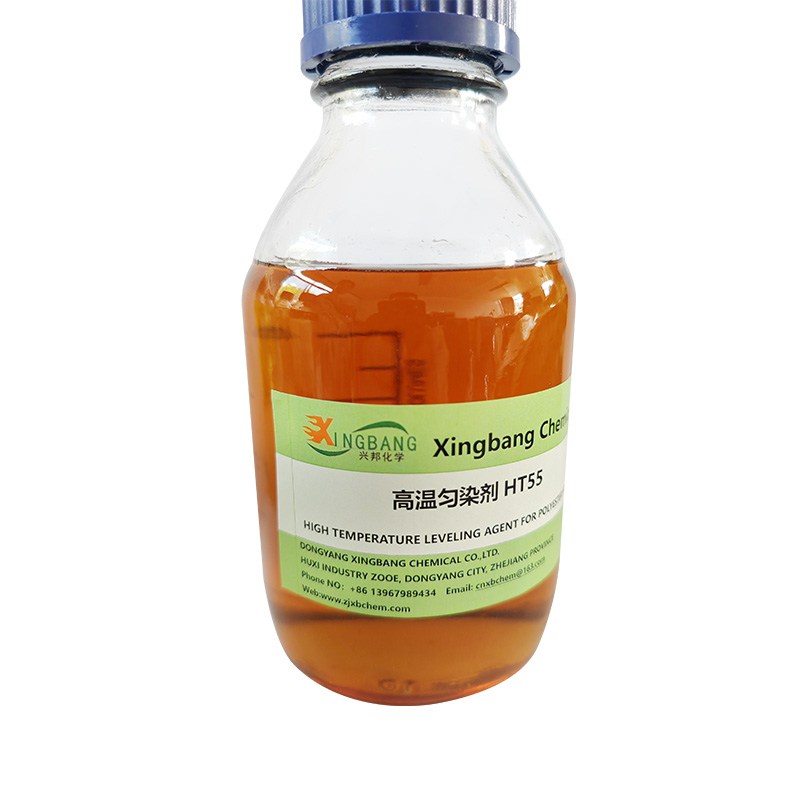
• Disperse dyes are micro-milled pigments that dissolve into the hydrophobic regions of polyester or nylon. They rely on high-temperature swelling of the fiber to “lock” inside; quality agents include leveling assistants that prevent agglomeration and streaking.
Look for labels that state “high wash-fastness,” “leveling agents included,” or “UV-stable.” These additives—sodium alginate thickeners, cationic fixatives, and optical brighteners—extend color life without extra steps.
Fabric choice: not all fibers are created equal
Even the good dyeing agent is hostage to the substrate. Mercerized cotton, for example, has a smoother, more lustrous surface that reflects light better and holds dye more tenaciously than untreated cotton. Polyester microfiber, despite its hydrophobic nature, can grab disperse dye so firmly that vibrancy rivals solution-dyed yarn. Blends (e.g., 60/40 cotton-poly) require a hybrid approach: a bifunctional dyeing agent that contains both reactive and disperse systems, plus a one-bath auxiliary to prevent cross-staining.
The set-up ritual: heat, time, pH
Skipping the “fixing” step is the single biggest consumer mistake. For fiber-reactive dyes on cotton, maintain 60 °C for 30 minutes with a mild alkali such as soda ash. For acid dyes on silk, 85 °C for 45 minutes in a vinegar bath does the trick. Disperse dyes on polyester need near-boil (95–100 °C) for 60 minutes. Under-dyed fibers look bright initially but bleed out in the rinse. Use a calibrated kitchen thermometer and set a timer—precision beats guesswork.
After-care: the hidden guardian of vibrancy
Hot water and heavy-duty detergents are color’s sworn enemies. Turn garments inside-out, choose cold-water cycles, and opt for pH-neutral detergents without optical brighteners or bleach. Air-drying away from direct sunlight reduces UV-induced fading; if you must use a dryer, select low heat. Every third or fourth wash, add a teaspoon of white vinegar to the rinse cup; the mild acidity helps re-protonate any loose dye sites and keeps the fabric soft.
Real-world test results
Independent lab tests on garments dyed with good retail dyeing agents show that after 20 standardized wash cycles (40 °C, detergent with optical brightener), color difference (ΔE) averaged 1.2—below the 1.5 threshold that the human eye can reliably detect. Consumer panels confirmed that garments retained “like new” appearance in over 80 % of cases when the recommended protocol was followed.
Bottom line
A dyeing agent can absolutely keep colors vibrant, but it is not a magic potion. Match the chemistry to the fiber, respect temperature and time, and adopt gentle laundering habits. Do that, and the only thing fading will be your memory of the garment ever looking any less brilliant.